Future of Ai Robots
About Us
AI and Robotics Can Reshape Your Thinking.
AI and Robotics Can Reshape
Your Thinking.
We empower individuals, businesses, and industries to unlock the full potential of artificial intelligence.
Our platform enables users to design, customize, and build intelligent robots tailored to their specific needs.
By combining AI with cutting-edge robotics, we help drive innovation and efficiency across sectors.
Whether you’re a startup, enterprise, or hobbyist, our tools and expertise support every step of your robotics journey.
Join us in shaping the future through smart, AI-driven automation.
What AI & Robotic do
Automation of Tasks
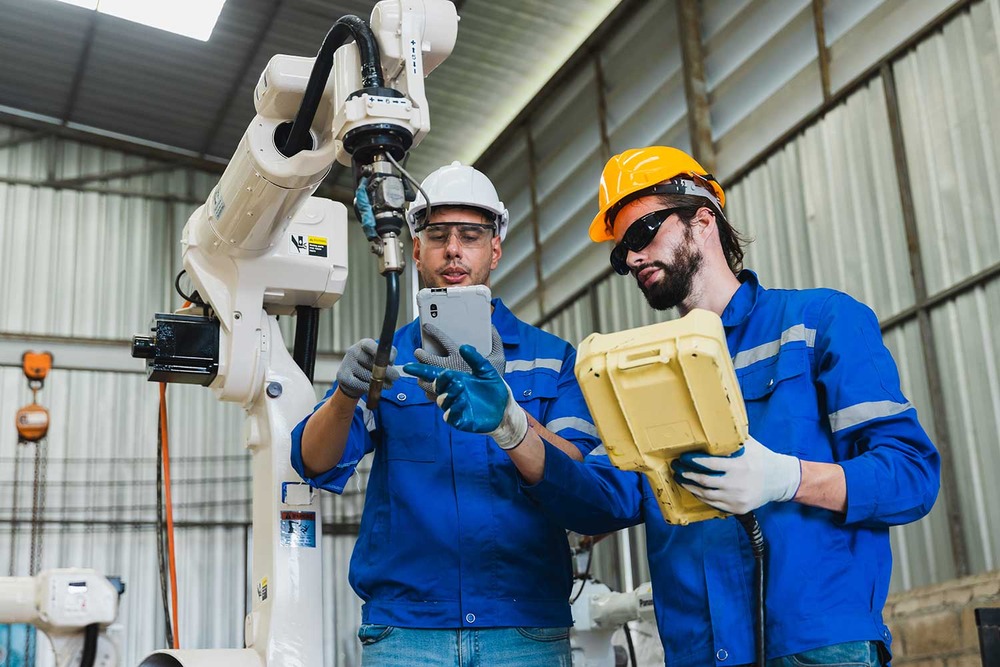
- AI and robots automate repetitive, dangerous, or labor-intensive tasks in manufacturing, agriculture, logistics, and more.
Data Analysis and Decision Making
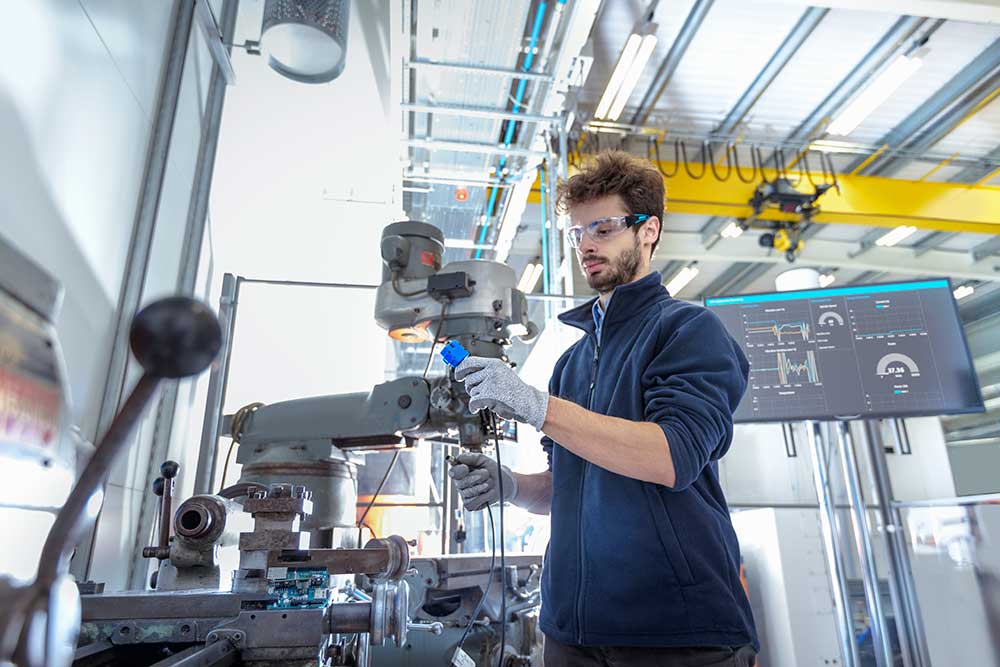
- AI systems process and analyze large datasets to help in forecasting, diagnostics, financial decisions, and customer insights.
Smart Assistance
- AI powers virtual assistants (like Siri, Alexa, and ChatGPT) that help users with scheduling, searching, or answering questions.
Medical Support:
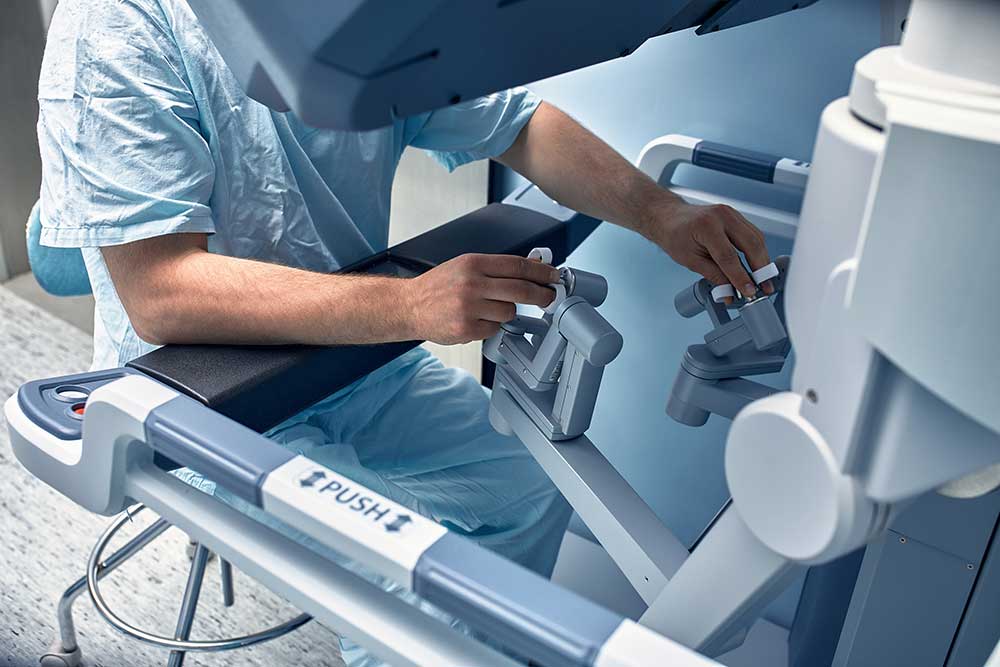
AI aids in diagnostics (e.g., analyzing medical images), robotic surgery, patient monitoring, and drug discovery.
Autonomous Vehicles:
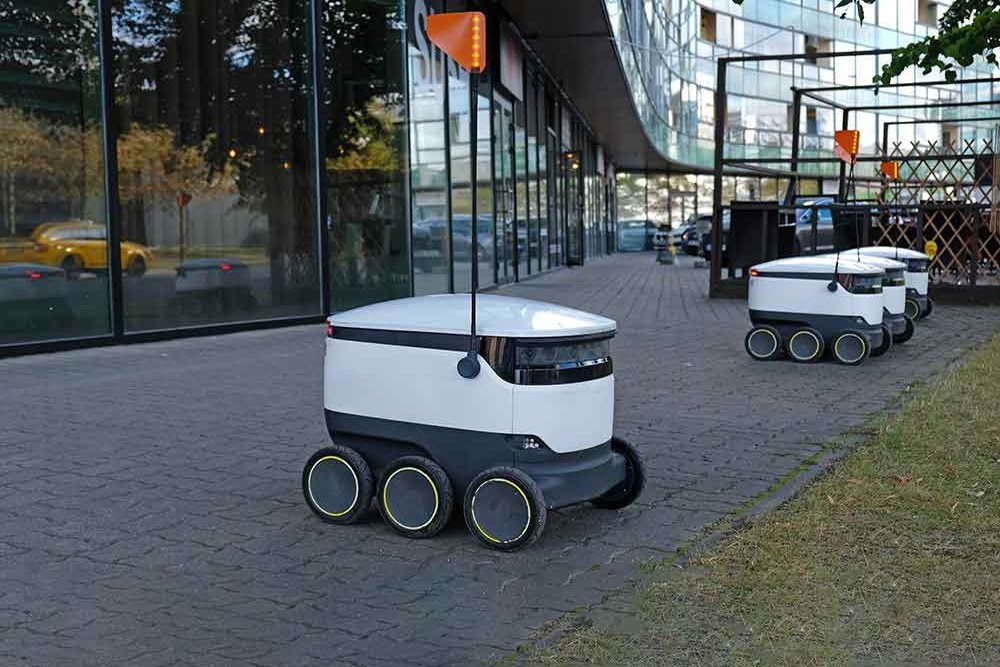
AI enables self-driving cars, drones, and robots to navigate, detect obstacles, and make real-time driving decisions.
Personalization:
AI customizes recommendations on platforms like Netflix, YouTube, Amazon, and social media.
Surveillance and Security:
AI is used in facial recognition, pattern detection, threat analysis, and robotic surveillance systems.
Robotic Companions and Assistive Devices:
Robotics helps elderly or disabled individuals with mobility, reminders, and basic care.
Language and Image Processing:
AI can understand, generate, and translate language, as well as recognize and analyze images and videos.
Education and Tutoring:
AI-powered tools offer adaptive learning, virtual tutoring, and personalized education paths for students.
SERVICES WE PROVIDE
Explore our Best-included AI and Robotics Services
Explore our Best-included
AI and Robotics Services

Robotic Automation

Predictive Analysis
Machine Learning
OUR CASE STUDIES
Checkout Our Projects and Recent Work
Checkout Our Projects
and Recent Work
Frequently asked questions
AGVs (Automatic Guided Vehicles) have been around since the 1950s, usually for transporting heavy loads, but they run on a track or conveyor belt and along a predetermined route. The most advanced AGVs are capable of detecting obstacles, but not of re-routing: when encountering an obstacle, the robot will stop.
AGVs (Automatic Guided Vehicles) have been around since the 1950s, usually for transporting heavy loads, but they run on a track or conveyor belt and along a predetermined route. The most advanced AGVs are capable of detecting obstacles, but not of re-routing: when encountering an obstacle, the robot will stop.
AGVs (Automatic Guided Vehicles) have been around since the 1950s, usually for transporting heavy loads, but they run on a track or conveyor belt and along a predetermined route. The most advanced AGVs are capable of detecting obstacles, but not of re-routing: when encountering an obstacle, the robot will stop.
AGVs (Automatic Guided Vehicles) have been around since the 1950s, usually for transporting heavy loads, but they run on a track or conveyor belt and along a predetermined route. The most advanced AGVs are capable of detecting obstacles, but not of re-routing: when encountering an obstacle, the robot will stop.
AGVs (Automatic Guided Vehicles) have been around since the 1950s, usually for transporting heavy loads, but they run on a track or conveyor belt and along a predetermined route. The most advanced AGVs are capable of detecting obstacles, but not of re-routing: when encountering an obstacle, the robot will stop.
AGVs (Automatic Guided Vehicles) have been around since the 1950s, usually for transporting heavy loads, but they run on a track or conveyor belt and along a predetermined route. The most advanced AGVs are capable of detecting obstacles, but not of re-routing: when encountering an obstacle, the robot will stop.
AGVs (Automatic Guided Vehicles) have been around since the 1950s, usually for transporting heavy loads, but they run on a track or conveyor belt and along a predetermined route. The most advanced AGVs are capable of detecting obstacles, but not of re-routing: when encountering an obstacle, the robot will stop.
AGVs (Automatic Guided Vehicles) have been around since the 1950s, usually for transporting heavy loads, but they run on a track or conveyor belt and along a predetermined route. The most advanced AGVs are capable of detecting obstacles, but not of re-routing: when encountering an obstacle, the robot will stop.
AGVs (Automatic Guided Vehicles) have been around since the 1950s, usually for transporting heavy loads, but they run on a track or conveyor belt and along a predetermined route. The most advanced AGVs are capable of detecting obstacles, but not of re-routing: when encountering an obstacle, the robot will stop.
AGVs (Automatic Guided Vehicles) have been around since the 1950s, usually for transporting heavy loads, but they run on a track or conveyor belt and along a predetermined route. The most advanced AGVs are capable of detecting obstacles, but not of re-routing: when encountering an obstacle, the robot will stop.
Next Generation Platform
Enhance your business with cutting-edge AI and robotics solutions.
Enhance your business with cutting-edge AI and robotics solutions.